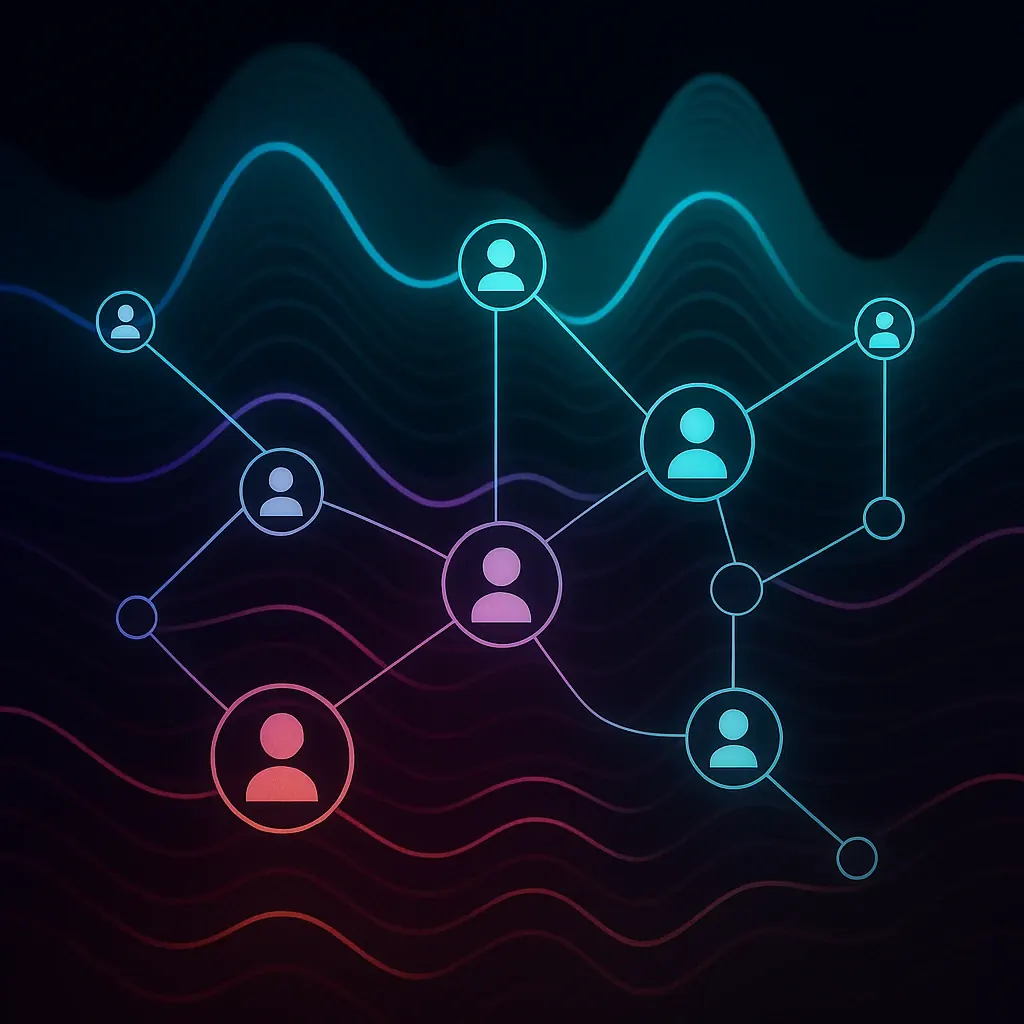
Personalisation Through Neurometrics
Neurometrics refer to quantitative measures of brain activity, obtained from sensors such as electroencephalography (EEG), functional near‑infrared spectroscopy (fNIRS) and electrocardiography. By analysing these signals, systems can estimate levels of attention, stress or cognitive load. When integrated into software, neurometrics enable experiences that adapt to the user in real time. Imagine a meditation app that changes its guidance based on your brainwaves, or a classroom that adjusts the pace of instruction according to students’ engagement. Such applications promise to make technology more empathetic and responsive.
To translate raw neural signals into actionable metrics, AI models employ a combination of classification, regression and clustering【984745120186931†L213-L217】. Classifiers can distinguish between focused and unfocused brain states; regressors estimate continuous values like mental workload; clustering uncovers latent patterns that correlate with performance. These models are trained on labelled datasets and then refined through continual calibration. When applied in gaming, for instance, they can adjust difficulty based on a player’s stress level, creating a balanced and immersive experience. In education, adaptive tutors can monitor comprehension and tailor explanations accordingly.
Personalised neurometric feedback has far‑reaching benefits. By recognising when a user is overwhelmed, systems can reduce information density or prompt breaks, reducing cognitive fatigue. In healthcare, neurometrics can track recovery from traumatic brain injury and inform rehabilitation protocols. Interactive art installations can sense audience reactions and evolve their visuals and soundscapes in response, fostering deeper engagement. These examples illustrate the potential of closed‑loop systems that continuously listen to the brain and adjust their output to support and delight users.
Nevertheless, with great personalisation comes risk. Collecting brain data raises privacy concerns; users must be fully informed about how their data is stored and used. There is a danger of reinforcing filter bubbles: if systems always cater to current preferences, users may never encounter challenging content that promotes growth. Misinterpretation of neurometrics could lead to exclusion or discrimination. Responsible design requires transparency, data minimisation and mechanisms for users to retain control over their neural information. By striking the right balance, neurometric personalisation can enhance experiences while respecting autonomy and diversity.
Back to articles